
Reseeding our future
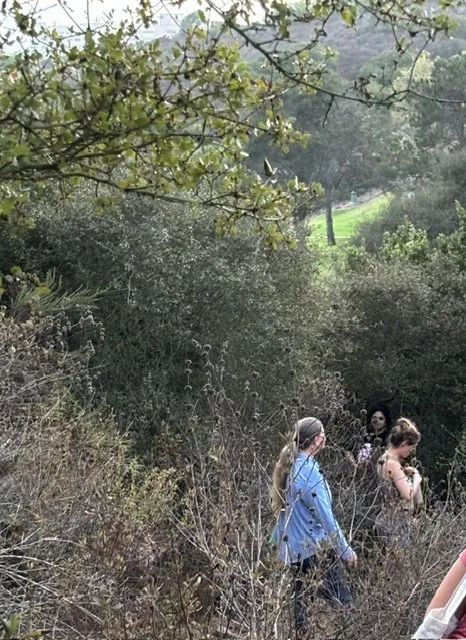
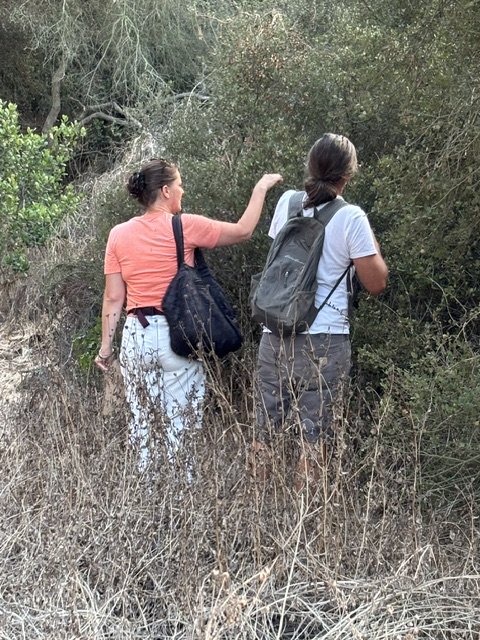
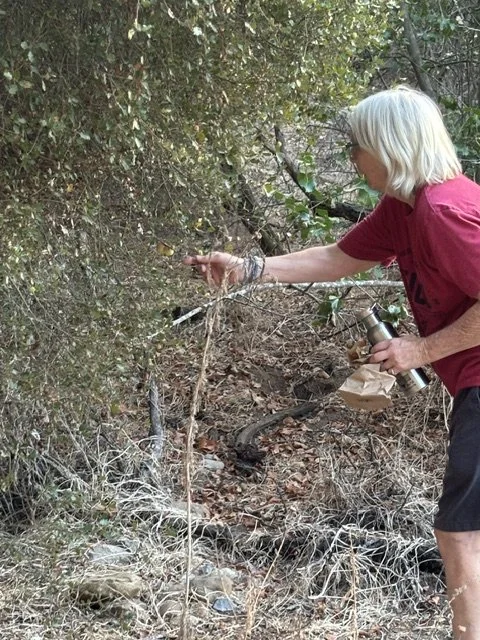
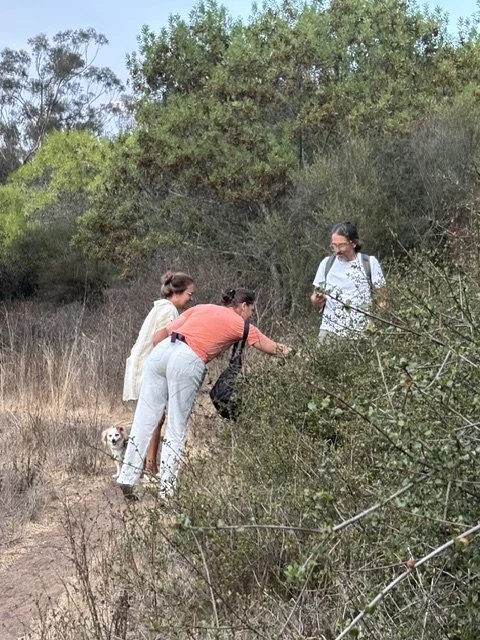
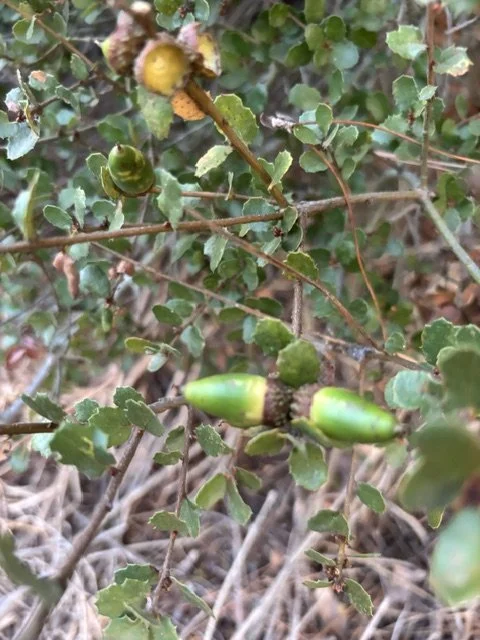
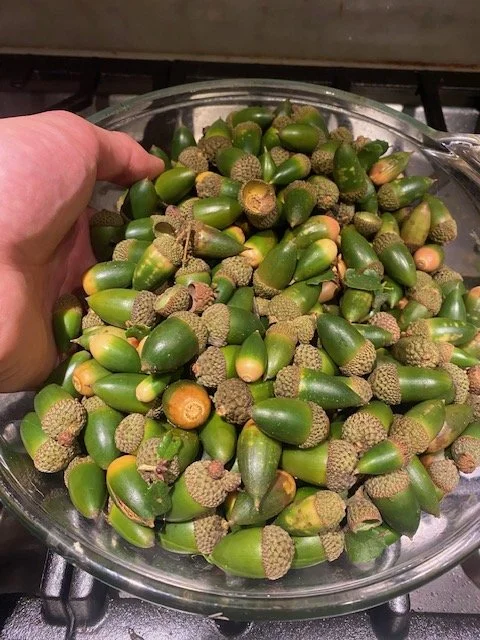
This week, neighbors came together in Switzer Canyon to collect acorns that will help grow the future of 28th Street Canyon. With guidance from San Diego Canyonlands and approval from the CIty's Open Space Senior Park Ranger, we gathered locally sourced acorns that will become part of an important effort to restore and strengthen our urban canyon forest.
At first glance, an acorn might not seem like much. But each one holds the possibility of a new tree and, over time, a healthier, more resilient canyon ecosystem.
Growing our next-gen urban forest
The acorns we collected will help expand the native canyon canopy, reconnecting the 80-acre habitat corridor between Switzer Canyon and 28th Street Canyon, surrounding Grape Street Dog Park. This is restoration rooted in place: community members collecting seeds from healthy local trees, nurturing them into seedlings, and eventually returning them to the canyon for the community to enjoy.
Our community is part of every step.
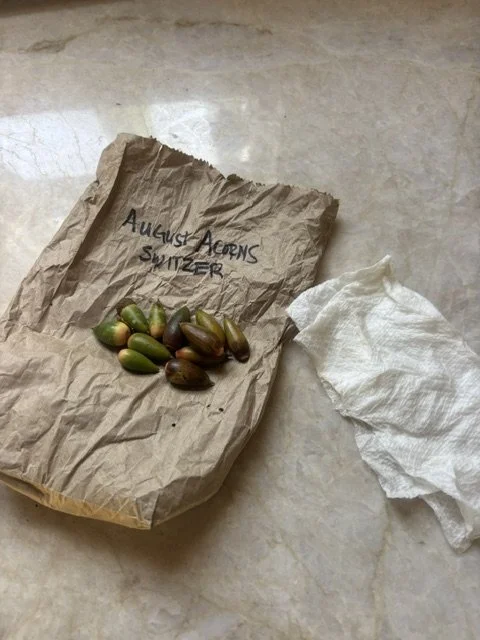
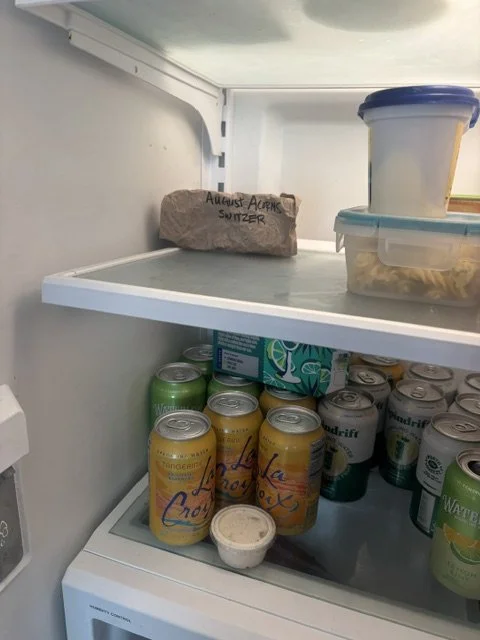
Neighbors took acorns home in paper bags and put in them in the fridge with a damp paper towel to begin the process of stratification- a period of cold, moist conditions that mimics winter and helps prepare the seeds to germinate. In a few months, as roots begin to emerge, we’ll gather again to plant the young seedlings in the canyon.
When they are ready, the seedlings will be planted in clusters, the way trees establish naturally. Over time, these young oaks will replace declining Eucalyptus trees and help reclaim parts of the canyon, creating space for a more diverse and resilient native plant community.
But planting is only the beginning. As a community, we’ll care for these seedlings. We'll water them, check on their progress, and watch them grow. Eventually, these tiny seedlings will become part of the forest our children, grandchildren, and non-human community members will inherit.
And oaks won’t be the only trees in this future forest. We hope to incorporate other native shade trees, including sycamores, along with the diverse understory vegetation that provides food and habitat for wildlife and helps restore the canyon’s ecological connections.
What’s next?
The acorn collection is one small step in a much larger vision for 28th Street Canyon and the interconnected canyon systems of Greater Golden Hill.
Healthy canyons provide habitat for wildlife, support native plants, help manage stormwater, and offer essential green space within our urban neighborhood. Restoring these places takes time and it takes community.
Thank you to everyone who came out to collect, learn, and lend a hand. And a special thanks to our partners at San Diego Canyonlands for helping make this effort possible.
If you’d like to be involved in future canyon restoration events, please contact info@preservegreatergoldenhill.com.
